Fill Dirt vs Topsoil: Which One Do You Actually Need?
Fill dirt and topsoil are two of the most commonly ordered materials on our platform — and they are also the two materials that get confused the most. Order the wrong one, and you could waste hundreds or even thousands of dollars. Worse, you might end up with a project that fails completely: a raised bed that will not grow anything, or a graded yard that settles and cracks your new patio.
Here is the definitive guide to understanding the difference, knowing when to use each, and making the right call for your project.
What Is Fill Dirt?
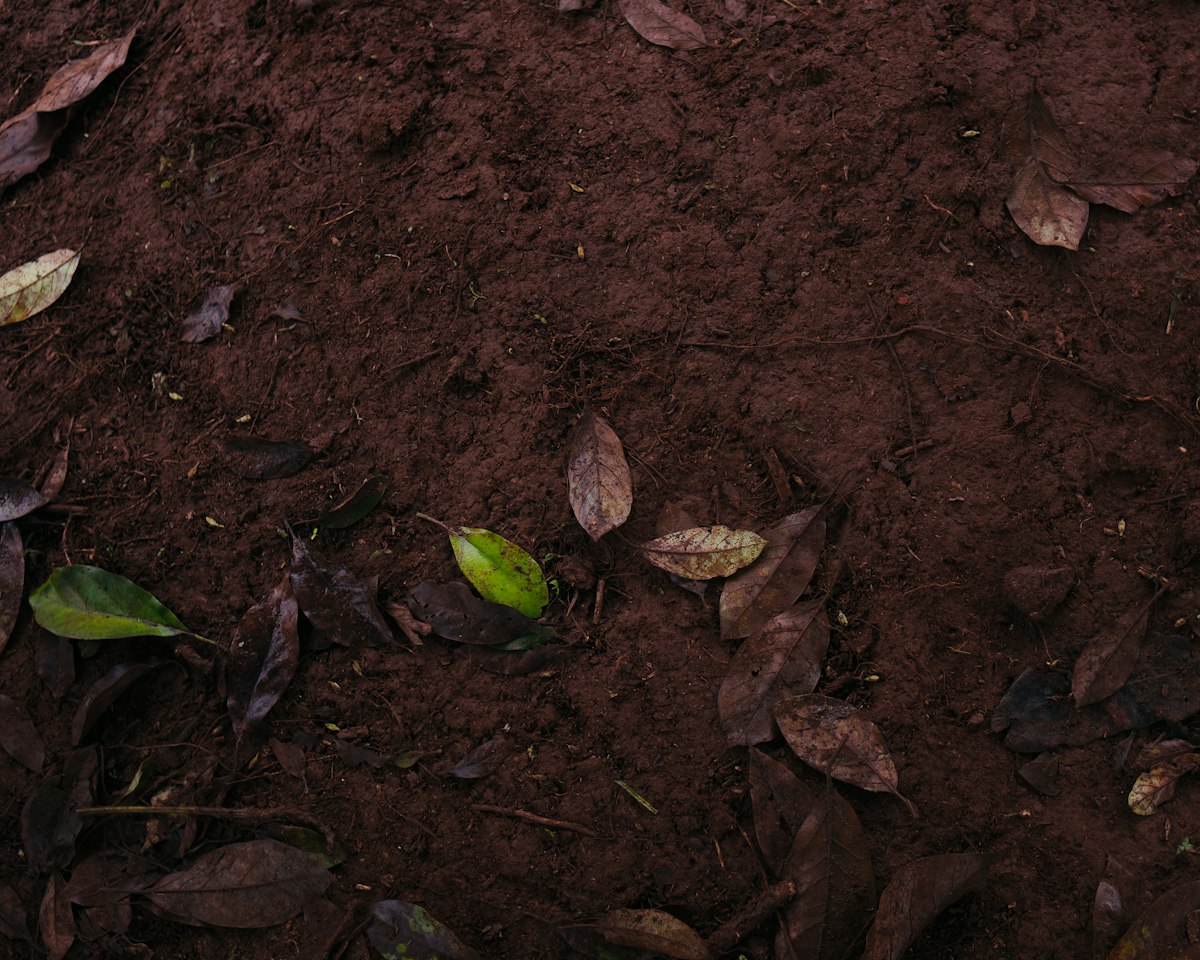
Fill dirt is subsoil — the layer of earth that sits below the topsoil, typically starting 6 to 12 inches below the surface. It is composed primarily of clay, sand, and rock fragments with very little organic matter. This is actually its greatest strength: because fill dirt contains almost no organic material, it does not decompose, shift, or settle over time.
Fill dirt is the structural material of the earthwork world. It is what builders use to raise grades, fill holes, build up areas behind retaining walls, and create level building pads. Think of it as the foundation layer — the material that needs to stay exactly where you put it for decades.
- Does not decompose or settle — stable for structural applications
- Compacts densely for building pads and foundations
- Typically $8–$15 per cubic yard — very affordable
- Will not attract pests or promote weed growth
What Is Topsoil?
Topsoil is the uppermost layer of earth — the dark, nutrient-rich layer that forms over centuries as organic matter (leaves, roots, organisms) decomposes and mixes with mineral soil. It contains the nitrogen, phosphorus, potassium, and microorganisms that plants need to grow. Good topsoil is a living ecosystem.
Use topsoil any time you need things to grow: lawns, gardens, flower beds, and landscaping. It is the finishing layer, not the structural layer. Topsoil should be applied over compacted fill dirt or existing grade, typically 4 to 6 inches deep for lawns and 8 to 12 inches deep for garden beds.
- Rich in nutrients and organic matter — essential for plant growth
- Retains moisture while allowing drainage
- Contains beneficial microorganisms for healthy soil biology
- Decomposes and settles over time — never use as structural fill
The Expensive Mistake: Using the Wrong One
This mistake costs homeowners $1,000 to $5,000 every year
Scenario 1: Topsoil as fill. A homeowner orders 20 cubic yards of topsoil to raise the grade behind a new retaining wall. Six months later, the topsoil has decomposed and settled 3 to 4 inches, pulling away from the wall and creating a gap where water pools. The fix: excavate the topsoil, replace with fill dirt, and re-landscape. Cost of the mistake: $2,500+.
Scenario 2: Fill dirt for a garden. A homeowner orders fill dirt to create raised garden beds. Nothing grows. The hard, clay-heavy soil has no nutrients, no organic matter, and poor drainage. The fix: remove the fill dirt, replace with topsoil/compost blend. Cost of the mistake: $400 to $800 per bed.
When to Use Each: Quick Reference
| Project | Use Fill Dirt | Use Topsoil |
|---|---|---|
| Filling a hole/depression | Yes | Top 4" only |
| Behind a retaining wall | Yes | No |
| Raising yard grade | Bulk | Top layer |
| New lawn installation | No | Yes |
| Garden beds | No | Yes |
| Foundation/building pad | Yes | Never |
| Pipe/utility backfill | Yes | No |
| Landscaping/flower beds | No | Yes |
Price Comparison
Typical Pricing (Material Only)
- Fill Dirt: $8–$15 per cubic yard ($5–$12 per ton). Often the cheapest material available.
- Screened Topsoil: $20–$35 per cubic yard ($15–$28 per ton). Screened to remove rocks and debris.
- Premium Garden Blend: $35–$55 per cubic yard. Mixed with compost for garden beds.
Delivery typically adds $50–$150 depending on distance and quantity. Many suppliers include delivery for orders over 10 cubic yards.
The Pro Move: Use Both
For most yard projects, the smartest approach is to use both materials in layers. If you need to raise your yard grade by 12 inches, order fill dirt for the bottom 8 inches and topsoil for the top 4 inches. You get the structural stability of fill dirt where it matters and the growing capacity of topsoil on top where your grass and plants need it.
This layered approach can save you 40 to 60 percent compared to using topsoil for the entire depth, and it actually performs better because the compacted fill dirt creates a more stable base.
Frequently Asked Questions
Can I use fill dirt to grow grass?
Not directly. Fill dirt has almost no nutrients and poor water retention. You need at least 4 inches of topsoil over the fill dirt for grass to establish. Without topsoil, grass seed will germinate but die within weeks from lack of nutrition.
Is clean fill the same as fill dirt?
Clean fill is a subset of fill dirt that has been tested to be free of contaminants, debris, and organic matter. It is required for projects near water sources or environmentally sensitive areas. Regular fill dirt may contain small amounts of construction debris or untested soil. Always ask your supplier about the source.
How much does fill dirt settle after placement?
Properly compacted fill dirt settles 5 to 10 percent. Without compaction, it can settle 15 to 25 percent. This is why compaction in 6-inch lifts is critical — and why you should order 10 percent extra to account for compaction loss.
How thick should topsoil be for a new lawn?
For sod, a minimum of 4 inches of topsoil is required, with 6 inches being ideal. For seed, 4 inches is sufficient. For garden beds, use 8 to 12 inches of topsoil for deep-rooted vegetables and perennials.
Can I mix topsoil with fill dirt?
You can, but it defeats the purpose of both materials. The organic matter in topsoil will cause settling in a structural application, and the clay in fill dirt will reduce the growing capacity for plants. Keep them in separate layers for the best results.
What is select fill?
Select fill is a higher grade of fill dirt that has been screened and tested to meet specific engineering standards for compaction and load-bearing capacity. It is used for structural projects like foundations, roadways, and commercial building pads where quality control is critical. It costs more than standard fill dirt, typically $12 to $20 per cubic yard.
How do I know if I need screened vs unscreened topsoil?
Screened topsoil has been passed through a mesh to remove rocks, roots, and clumps. Use screened topsoil for lawns and fine garden work. Unscreened is fine for rough grading and areas that will be heavily amended with compost anyway. Screened costs about $5 to $10 more per cubic yard.
Should I get a soil test before ordering topsoil?
For garden beds and large lawn projects, yes. A basic soil test from your county extension office costs $15 to $30 and tells you the pH, nutrient levels, and organic matter content. This helps you decide whether you need premium garden blend, standard topsoil, or topsoil with specific amendments.