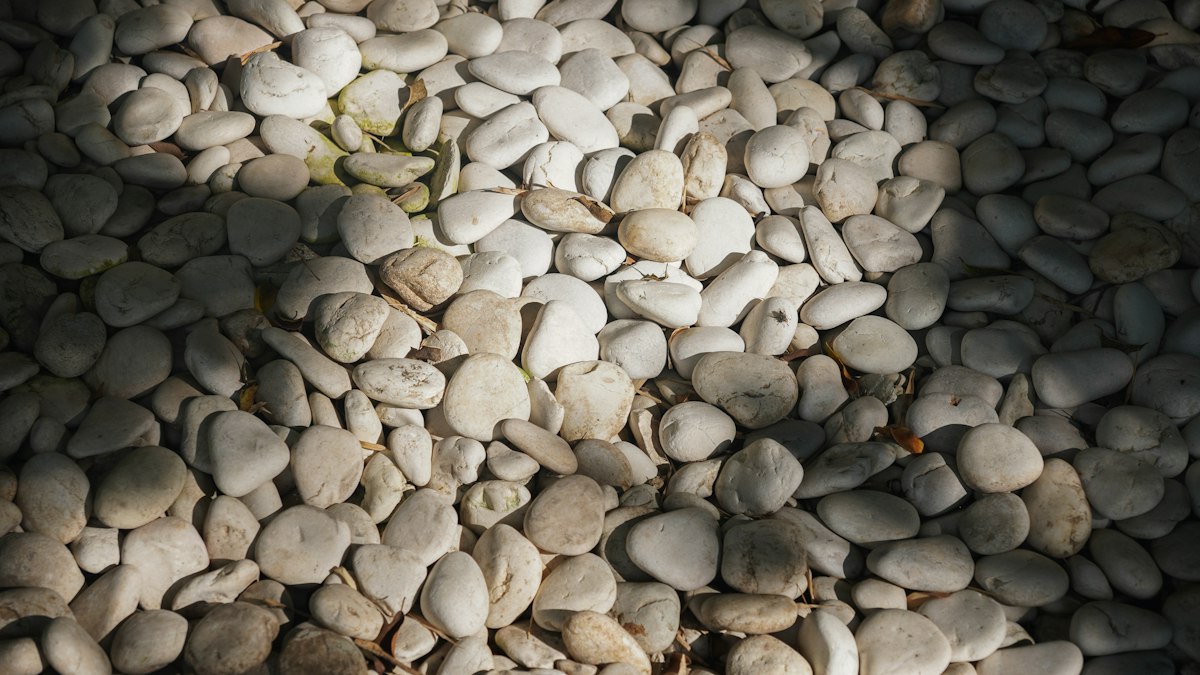
Best Materials for French Drains
Water damage is the most expensive and preventable problem a homeowner can face. A soggy yard, standing water against your foundation, or a flooded basement can lead to tens of thousands of dollars in structural repairs, mold remediation, and landscaping restoration. A French drain is one of the most effective and affordable solutions to redirect water away from your home and yard.
In this guide, we cover exactly what a French drain is, the materials you need to build one properly, the gravel sizes that work best, common mistakes to avoid, and when to hire a professional versus doing it yourself.
What Is a French Drain?
A French drain is a simple but effective drainage system: a trench filled with gravel and a perforated pipe that collects groundwater and surface water and redirects it to a safe discharge point (like a storm drain, dry well, or low area of your property). The gravel provides a path of least resistance for water, and the pipe collects and channels it away.
French drains are named after Henry French, a Massachusetts farmer and judge who popularized the technique in his 1859 book on farm drainage. The basic principle has not changed in over 160 years because it works.
When You Need a French Drain
- Standing water in your yard after rain
- Water pooling against your foundation
- Soggy or marshy areas that never dry out
- Water seeping into your basement or crawl space
- Neighbor's property drains onto yours
- Retaining wall backfill needs drainage
The 3 Essential Materials
1. Drainage Gravel (The Most Important Component)
Gravel is the backbone of your French drain. It serves three critical functions: it creates void space for water to flow through, it filters sediment to prevent pipe clogging, and it provides structural support for the trench. The type and size of gravel you choose will determine how well your drain performs and how long it lasts.
You will need enough gravel to fill the entire trench around the pipe. For a typical residential French drain (12 inches wide, 18 inches deep, running 50 feet), you will need approximately 2.5 to 3 cubic yards of gravel — roughly 3.5 to 4.2 tons.
2. Perforated Pipe
The perforated pipe sits inside the gravel-filled trench and collects water through small holes or slots along its length. Use rigid PVC perforated pipe (4-inch diameter) for the best performance and longevity. Flexible corrugated pipe is cheaper but crushes under soil weight, sags in the middle creating low spots, and clogs more easily. The performance difference is dramatic over a 10-year period.
3. Filter Fabric (Geotextile)
Non-woven geotextile fabric wraps the entire gravel and pipe assembly, preventing fine soil particles from migrating into the gravel and clogging the system. Without filter fabric, a French drain in clay soil will clog within 3 to 5 years. With it, the system can function for 20 to 30 years.
Gravel Size Recommendations
Not all gravel is created equal when it comes to drainage. Here is what to use in each part of the French drain assembly:
| Location | Recommended Gravel | Size | Why |
|---|---|---|---|
| Bottom of trench | #57 Crushed Stone | 3/4" – 1" | Large voids for water flow |
| Around pipe | #57 Crushed Stone | 3/4" – 1" | Supports pipe and channels water |
| Top layer (if exposed) | Pea Gravel or River Rock | 3/8" – 3/4" | Aesthetic finish, still drains well |
Never Use These in a French Drain
- Limestone screenings or crusher run:The fine particles compact and seal, blocking water flow entirely. This defeats the purpose of the drain.
- Rounded river rock larger than 1.5 inches:Too few contact points, too much shifting. The pipe can displace and sag.
- Recycled concrete:Can contain calcium carbonate that leaches out and cements the gravel together over time, reducing drainage.
Common French Drain Mistakes
- Insufficient slope: A French drain needs a minimum slope of 1 percent (1 inch per 8 feet). Without it, water sits in the pipe instead of flowing to the outlet.
- No outlet: A French drain must discharge somewhere. Ending a drain in a dead-end is like building a bathtub — it fills up and overflows.
- Using the wrong gravel: Fine-grained aggregates compact and seal, turning your drain into a dam. Always use clean, washed stone with no fines.
- Skipping filter fabric: Without geotextile, clay soil migrates into the gravel and clogs the system within a few years.
- Placing the drain too shallow: A drain needs to be at least 12 inches deep to intercept groundwater effectively. Deeper is better for foundation drainage (18 to 24 inches).
- Using corrugated pipe: Flexible corrugated pipe sags, crushes, and collects sediment in its ridges. Rigid PVC costs slightly more but lasts decades longer.
DIY vs. Hiring a Professional
DIY Is a Good Fit If:
- Your drain is less than 75 feet long
- The trench is in soft, rock-free soil
- No utilities are buried in the path
- You have a clear discharge point downhill
- DIY cost: $500–$1,500 in materials
Hire a Pro If:
- The drain is near your foundation (depth and placement are critical)
- You have rocky or extremely hard clay soil
- The drain needs to tie into a municipal storm system
- Your property has complex grading
- Pro cost: $2,000–$6,000 installed
Frequently Asked Questions
How much gravel do I need for a French drain?
For a typical residential French drain (12 inches wide, 18 inches deep), plan on approximately 0.5 cubic yards of gravel per 10 linear feet. A 50-foot drain needs about 2.5 to 3 cubic yards (3.5 to 4 tons). Use our calculator to get an exact number based on your dimensions.
What size gravel is best for a French drain?
#57 stone (3/4 inch to 1 inch) is the industry standard for French drains. It is large enough to create void space for water flow, small enough to support the pipe, and angular enough to lock in place. Avoid anything with fines — it must be clean, washed stone.
How long do French drains last?
A properly installed French drain with filter fabric, rigid PVC pipe, and clean washed gravel can last 20 to 30 years or more. Drains without filter fabric in clay soils may clog in 3 to 7 years. Drains with corrugated pipe typically need replacement in 8 to 12 years.
Can I use pea gravel for a French drain?
Pea gravel can work as a top layer for aesthetics, but it is not ideal as the primary drainage stone. Its round shape creates less void space than angular crushed stone, reducing water flow capacity by 15 to 20 percent. If you use it, keep it as a surface layer only.
Do French drains need maintenance?
Minimal maintenance. Once or twice a year, check that the outlet is clear and not blocked by debris. If you have a cleanout access point, flush the pipe with a garden hose to remove any sediment. Watch for any settling over the drain line — this indicates a potential clog or pipe issue.
Should the perforated pipe holes face up or down?
Holes should face down. This is counterintuitive, but water rises from below — the pipe collects water as it rises to the level of the holes. With holes facing up, surface sediment can enter the pipe directly and cause clogging.
How deep should a French drain be?
At minimum 12 inches deep. For foundation drainage, 18 to 24 inches deep and placed right at the footer level. For yard drainage intercepting surface water, 12 to 18 inches is sufficient. The key is maintaining a consistent downward slope toward the outlet.
Can a French drain handle heavy rain?
A single 4-inch French drain can handle moderate to heavy rainfall for most residential properties. For properties with severe drainage issues or heavy clay soil, a dual-pipe system or larger 6-inch pipe may be needed. In flood-prone areas, French drains should be part of a larger drainage plan that includes surface grading and downspout management.