The EarthMove
Knowledge Center
Everything you need to know about aggregates. Built by industry experts.


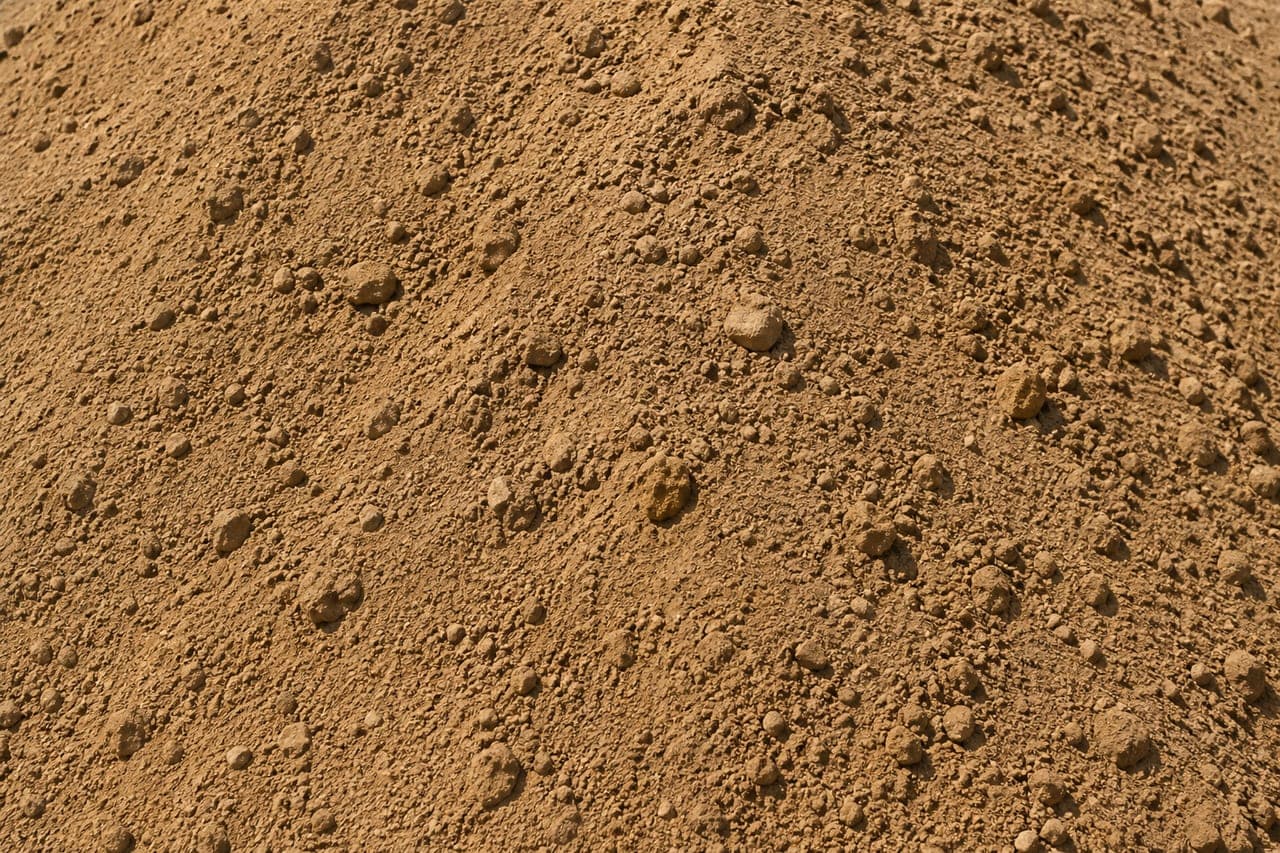
Raising Low Spots in Your Yard: A Fill-Dirt How-To
A weekend project for ½ to 2 yards of fill, with the prep, compaction, and seeding steps DIYers usually skip.
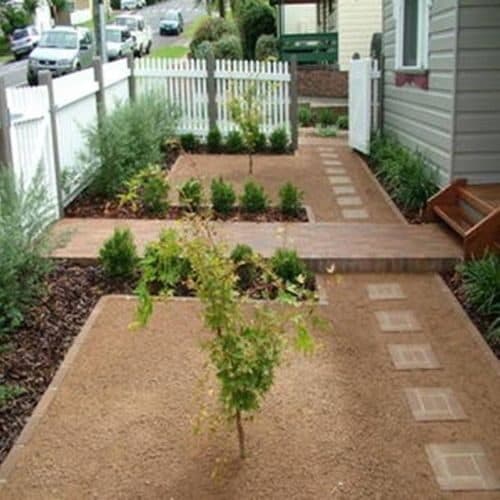
Decomposed Granite for Patios and Walkways
DG looks great and packs hard, but only if you screen, edge, and stabilize correctly. Here's what to specify.
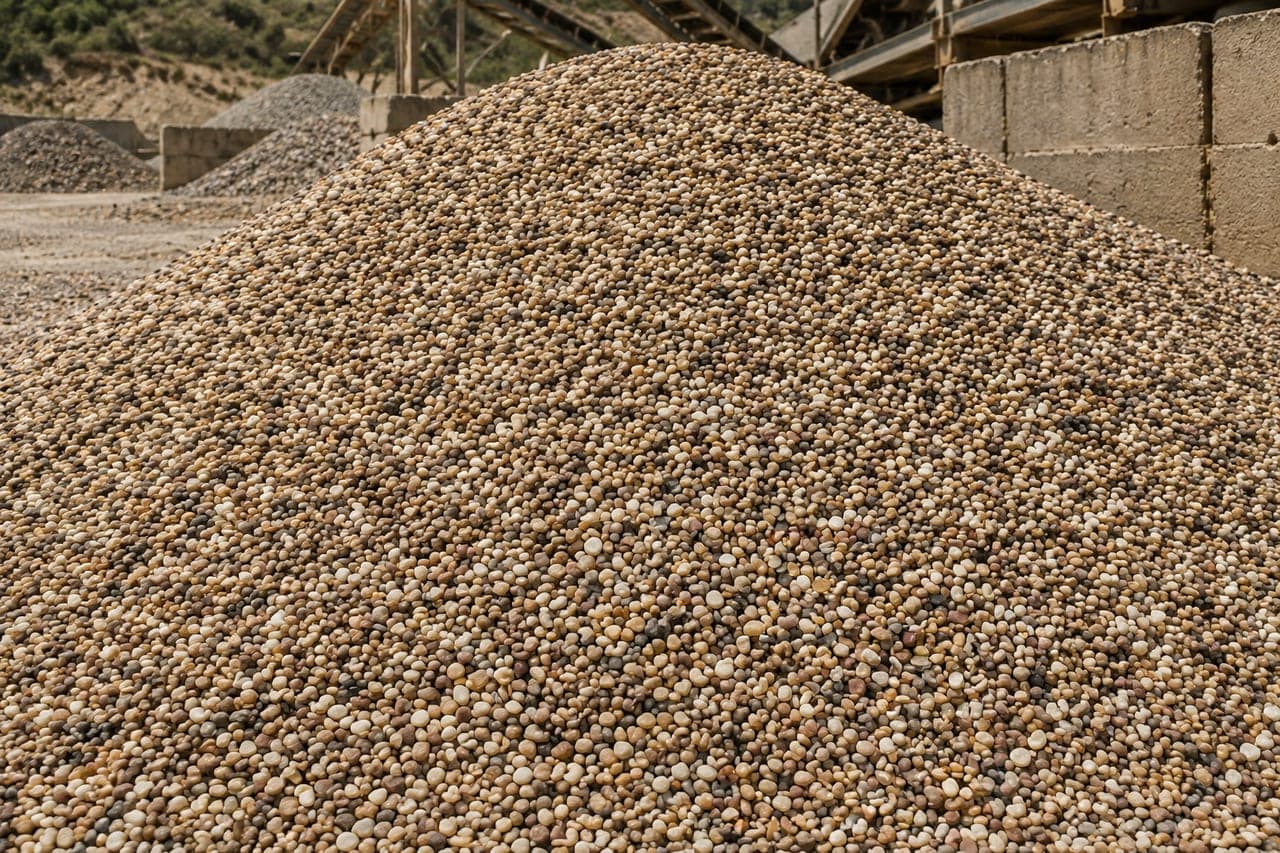
Pea Gravel for Landscaping: Sizing, Depth, and Edging
The most-misused material in residential landscaping — sized, edged, and laid the way it actually stays put.
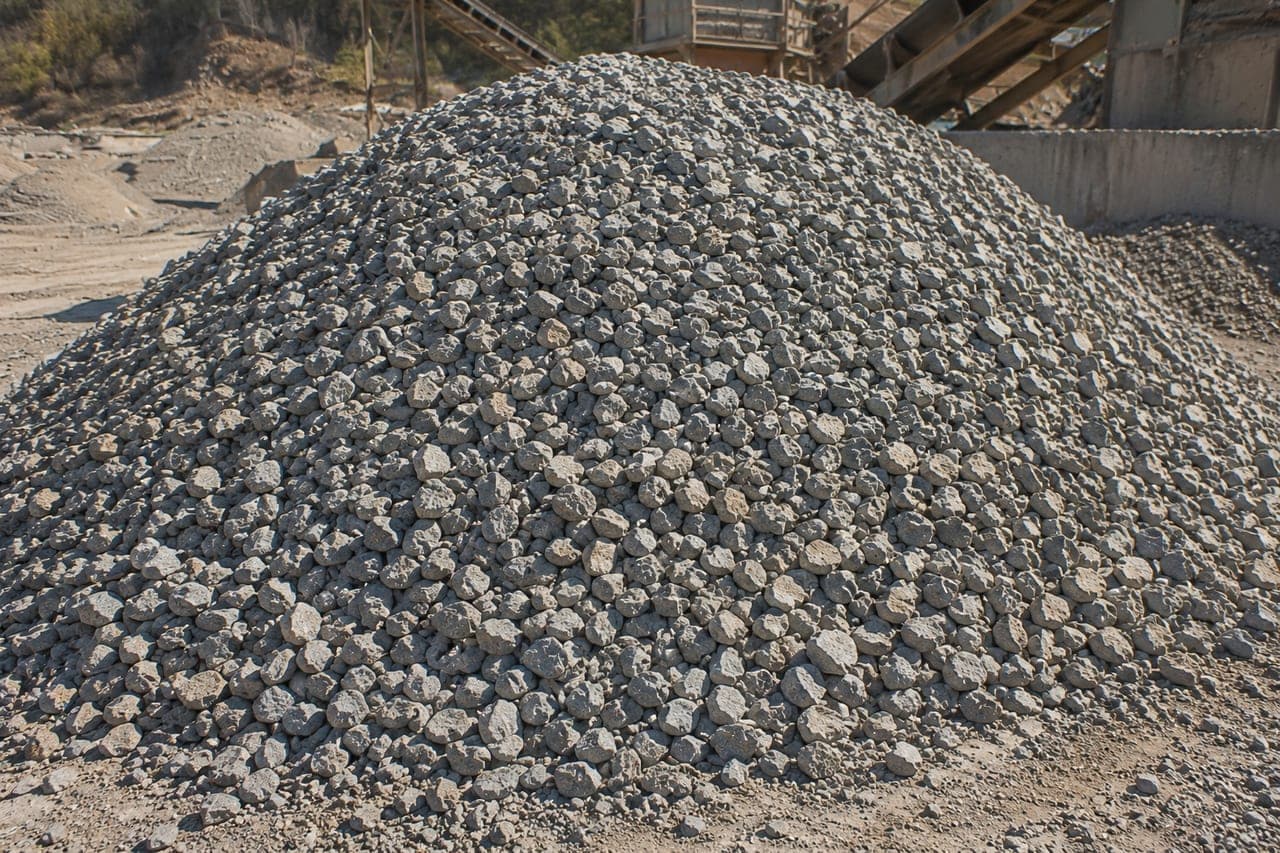
River Rock vs Crushed Stone for Drainage
They look similar, drain very differently. When to pay extra for river rock and when crushed stone wins.
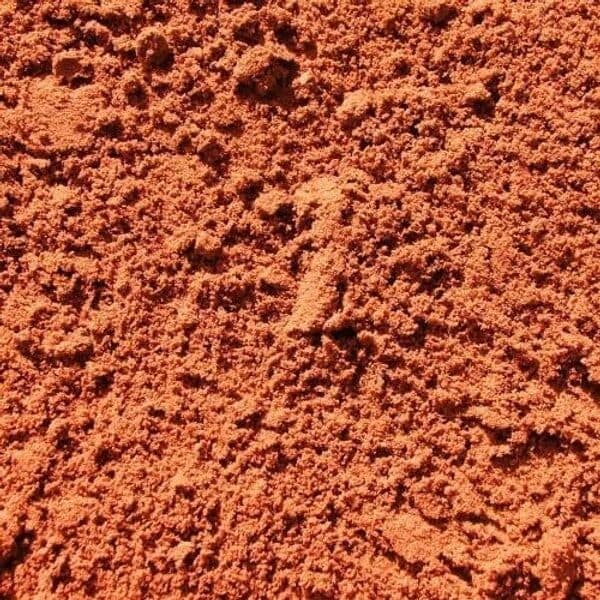
Topsoil for New Lawns: Depth, Amendments, Calculations
How much you actually need, what to amend it with, and the screened-vs-unscreened decision that determines if seed takes.
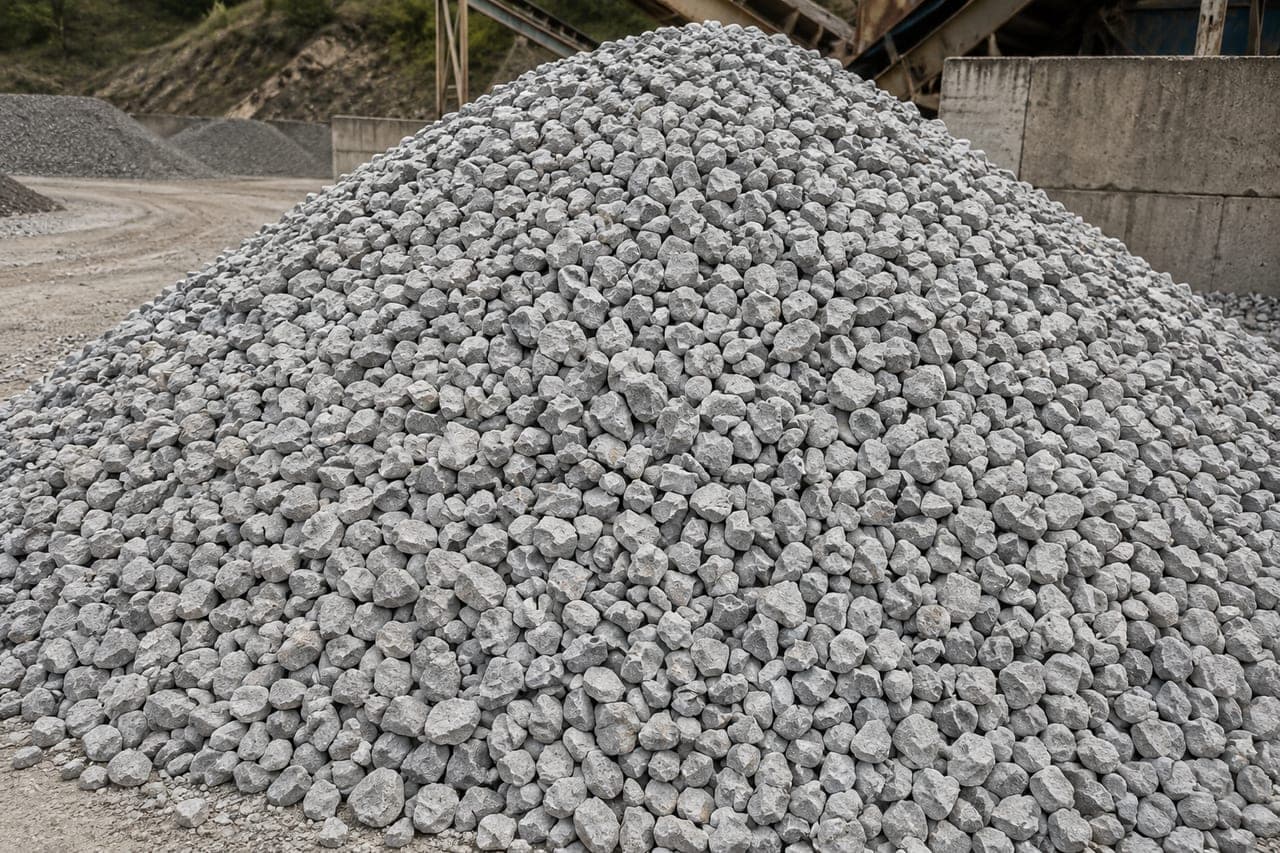
Gravel for Shed and Playset Bases
A 4" pad of #57 stone over geotextile beats poured concrete for most backyard structures. The why.
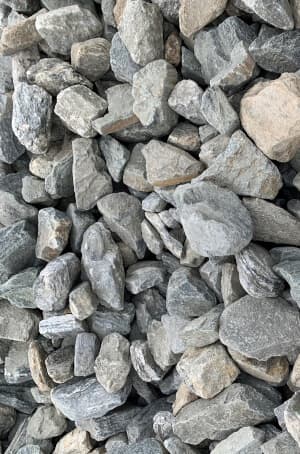
Riprap for Erosion Control on Residential Slopes
When the back yard washes out every storm, riprap is the answer — but the class matters more than the size.
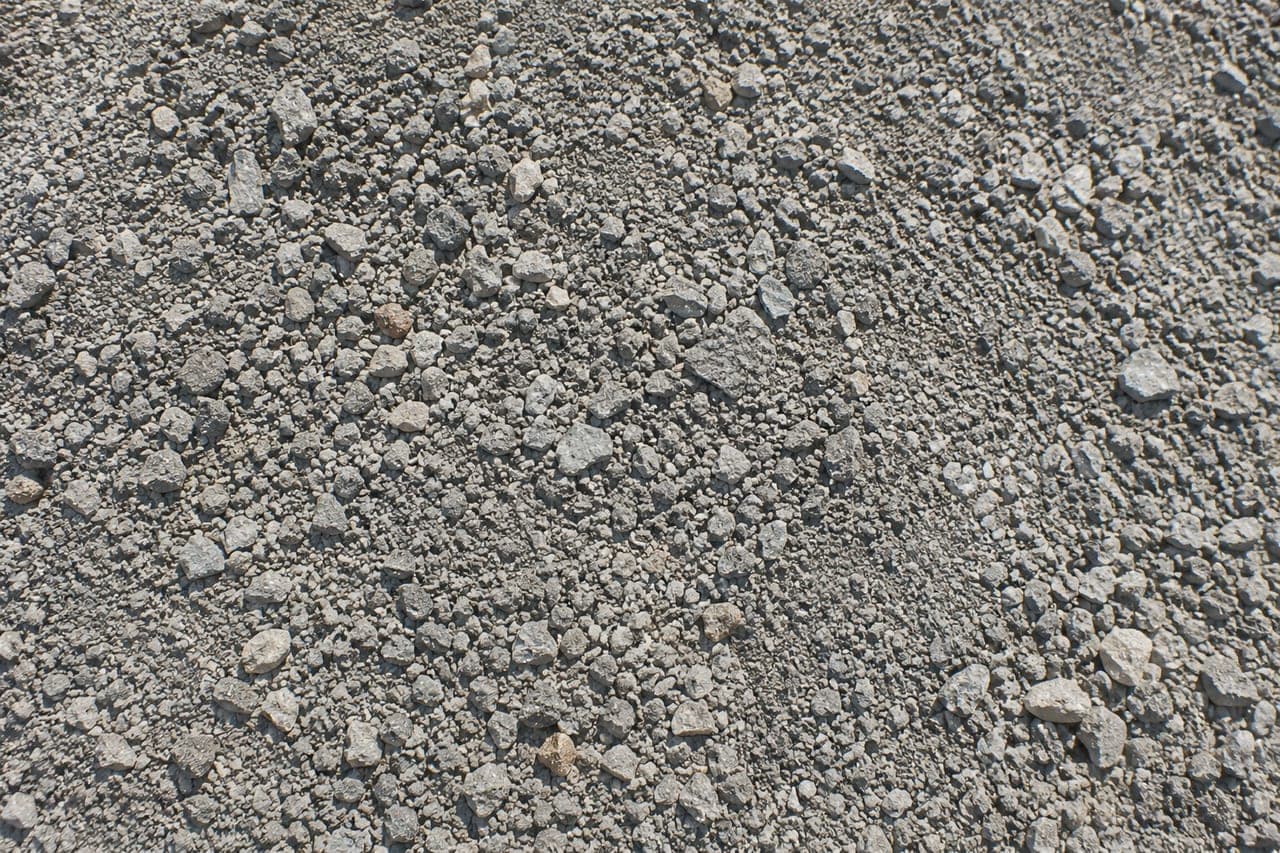
Mulch Alternatives: Gravel, Stone, DG Comparison
Mulch decomposes every year. These three alternatives don't — and the cost-per-decade math is brutal.

The $3,000 Mistake: Real Stories of Costly Material Errors
Real stories of costly material mistakes and how to avoid them.

Aggregate Grades Explained: #57, #67, Grade 1 Flex Base
A field reference for crew leads — what each grade compacts to, what it drains, and where it gets specified.
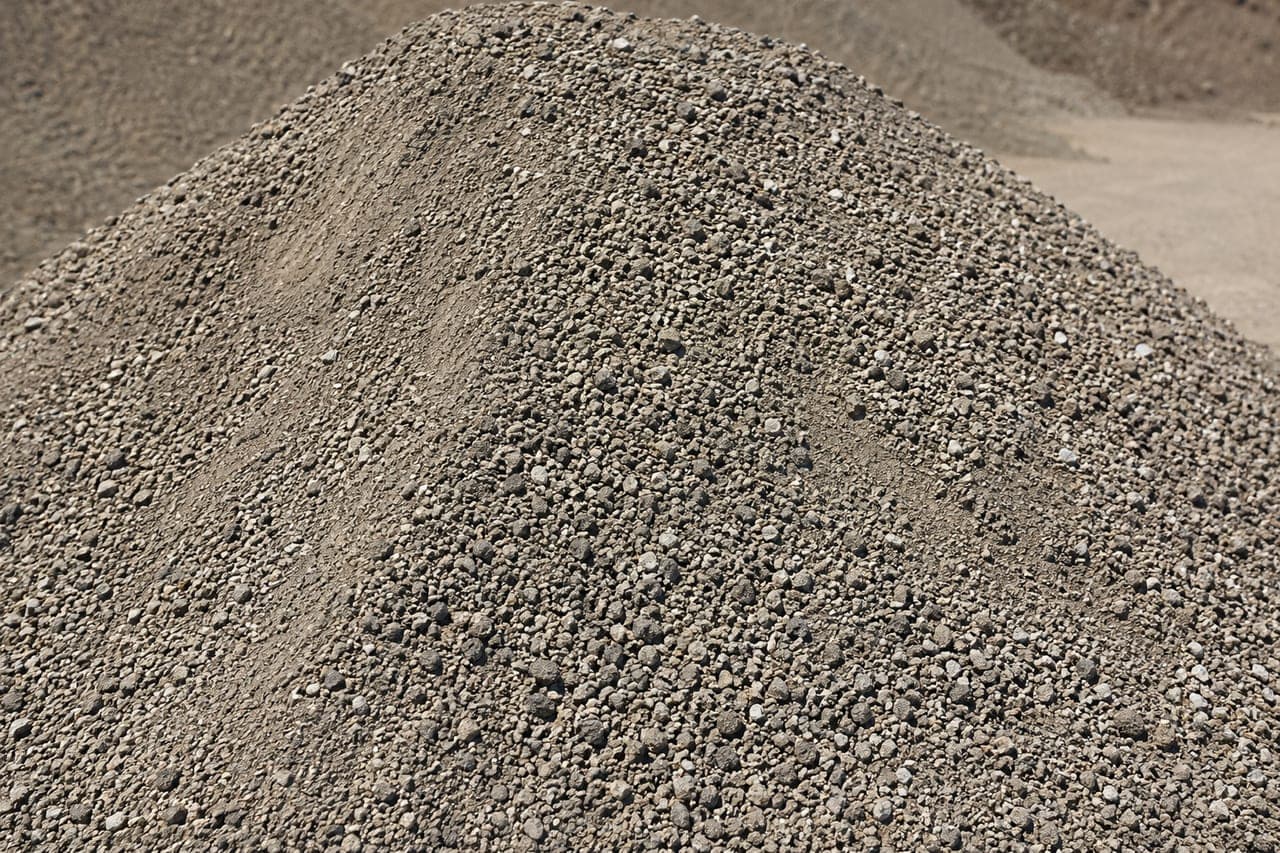
Road Base Specs by State DOT: TX vs CO
TxDOT Item 247 vs CDOT Class 6 — the spec differences that matter when you bid across state lines.
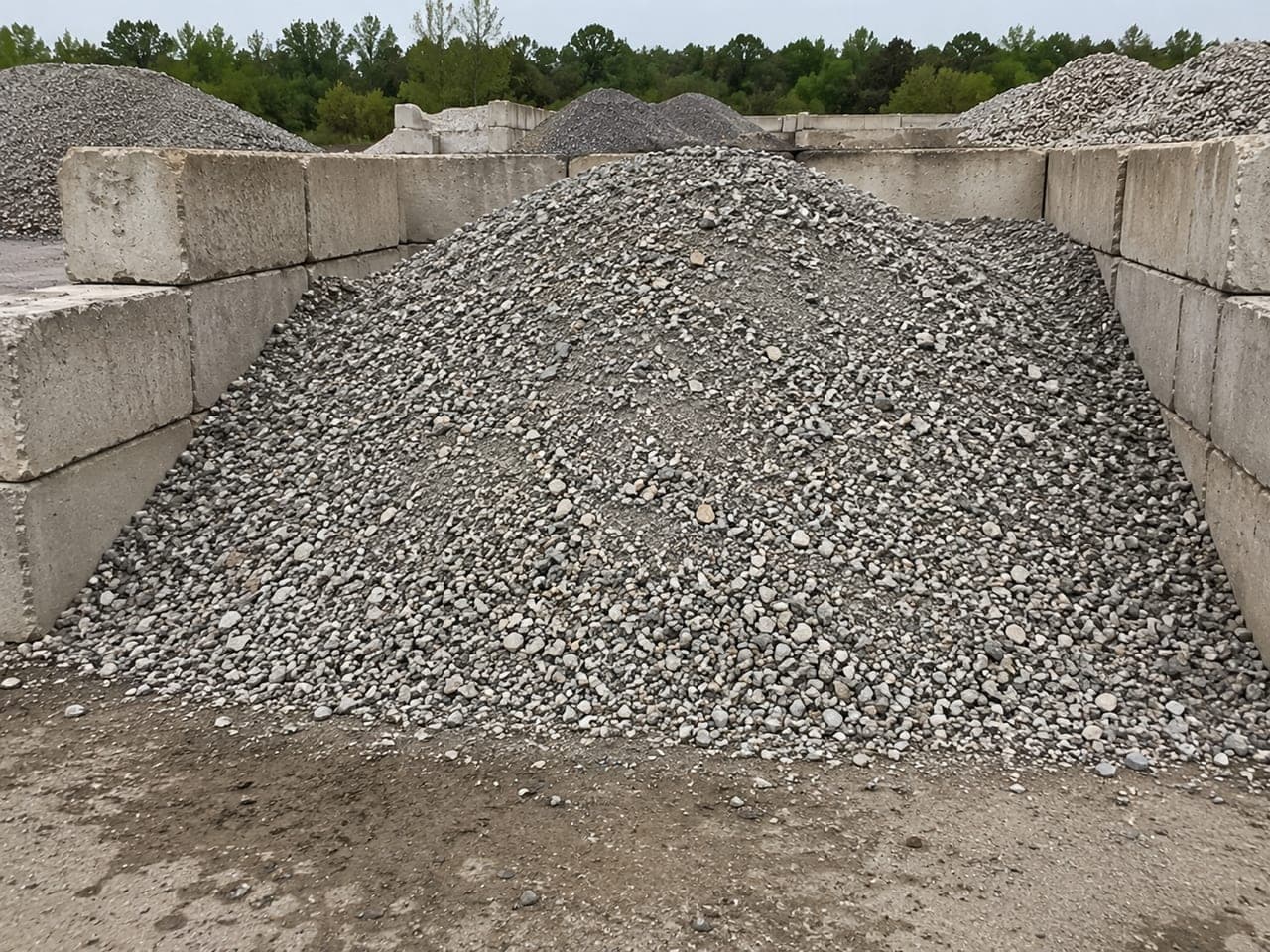
Recycled Concrete Aggregate: When Inspectors Approve It
RCA is 20-40% cheaper than virgin and increasingly required for green spec — but only if your gradation is right.
Compaction Standards: Proctor Density and How to Hit It
95% Standard Proctor sounds simple. The lift thickness, moisture window, and pass count that actually get you there.
Subgrade Prep for Parking Lots
The undocumented sequence that prevents callbacks: proof-roll, undercut, geotextile, base, surface.
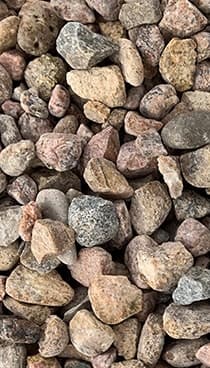
Drainage Stone Selection for Retention Ponds
Pond bottoms, side slopes, outlet structures — three different stones, three different specs.
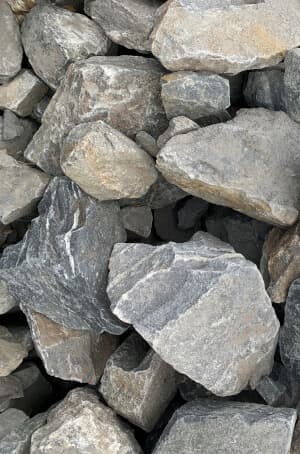
Riprap Classes: D50, Gradation, FDOT vs TxDOT
The class system explained, with side-by-side TxDOT and FDOT spec callouts for cross-state work.
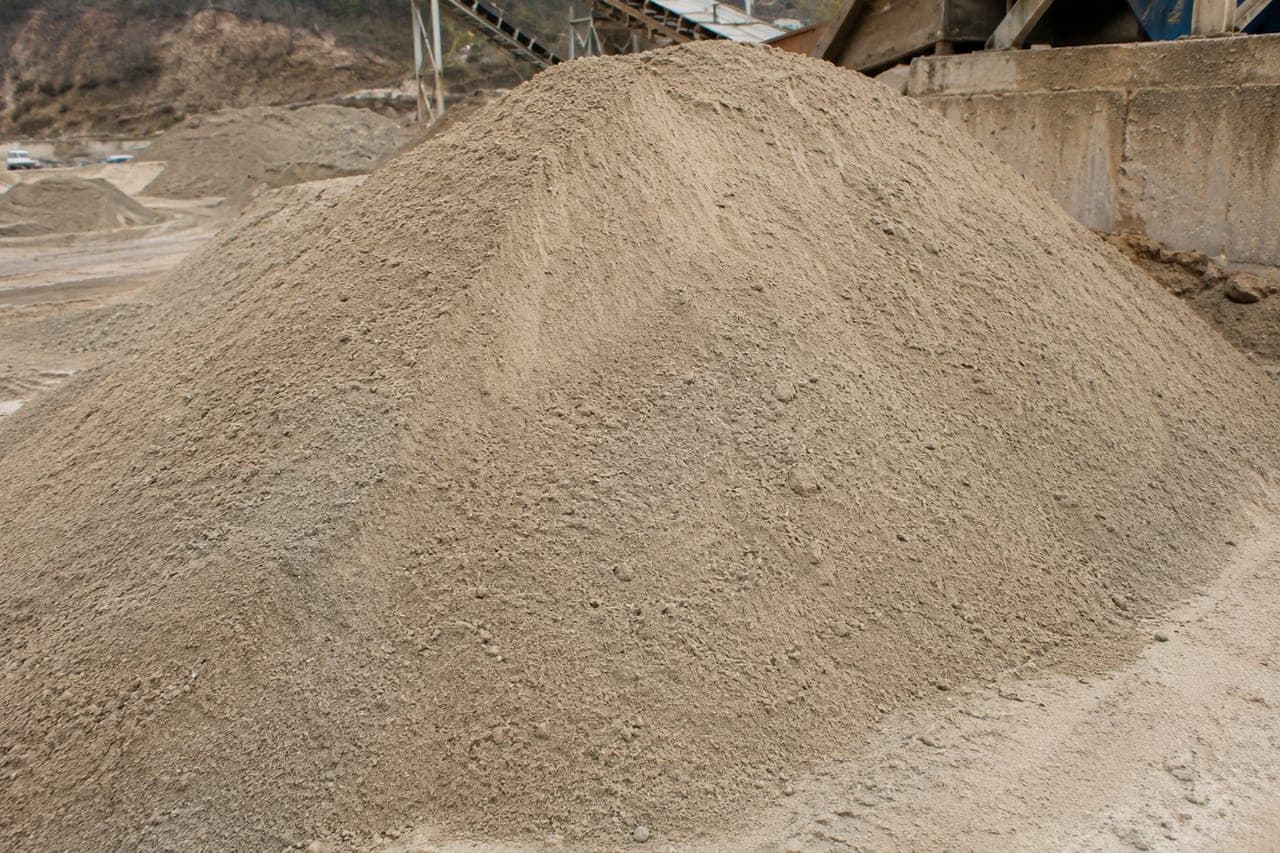
Concrete Sand vs Mason Sand: Spec Compliance
ASTM C33 vs C144 — which one your inspector actually wants and how to source it without the upcharge.
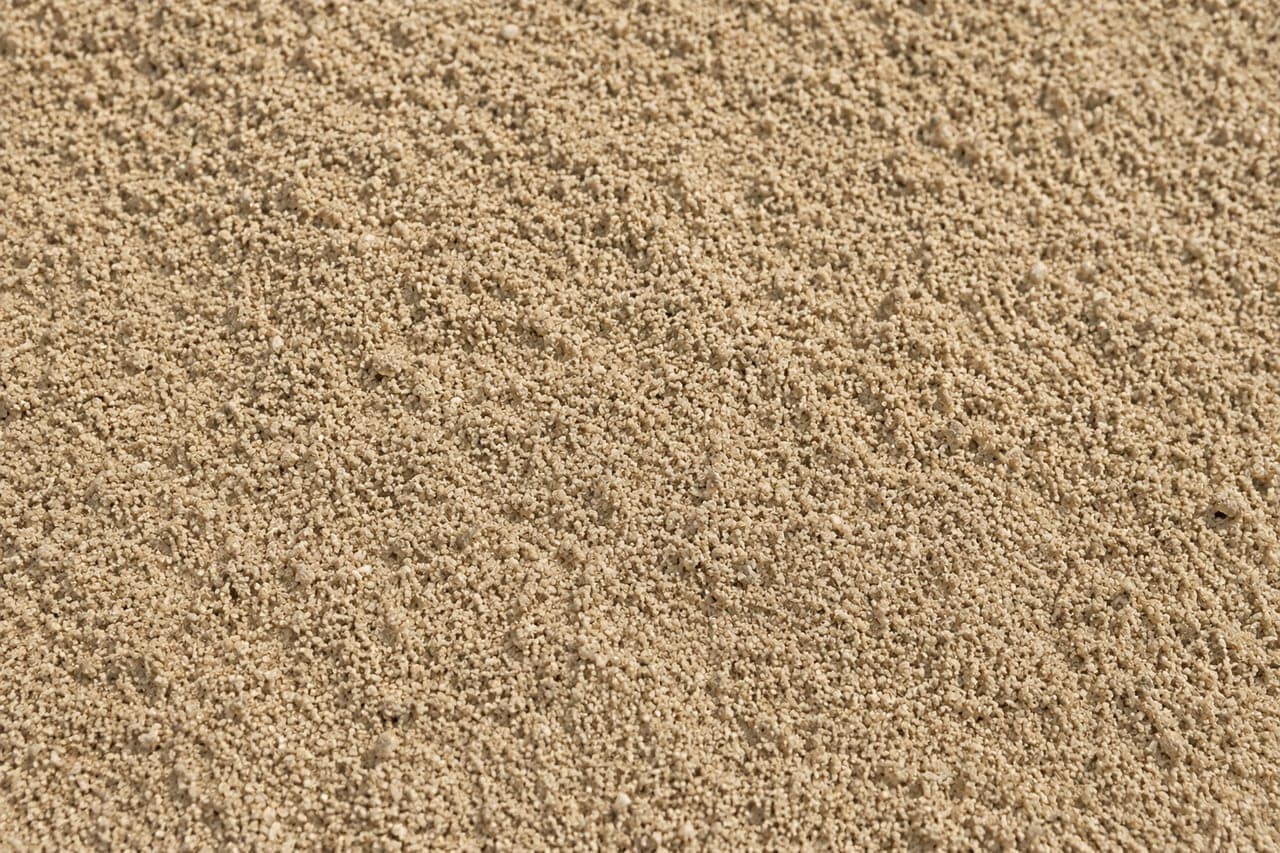
Trench Backfill Specs: Pipe Bedding to Final Cover
Bedding stone, haunching, initial cover, final cover — the four-layer system and which materials each layer requires.
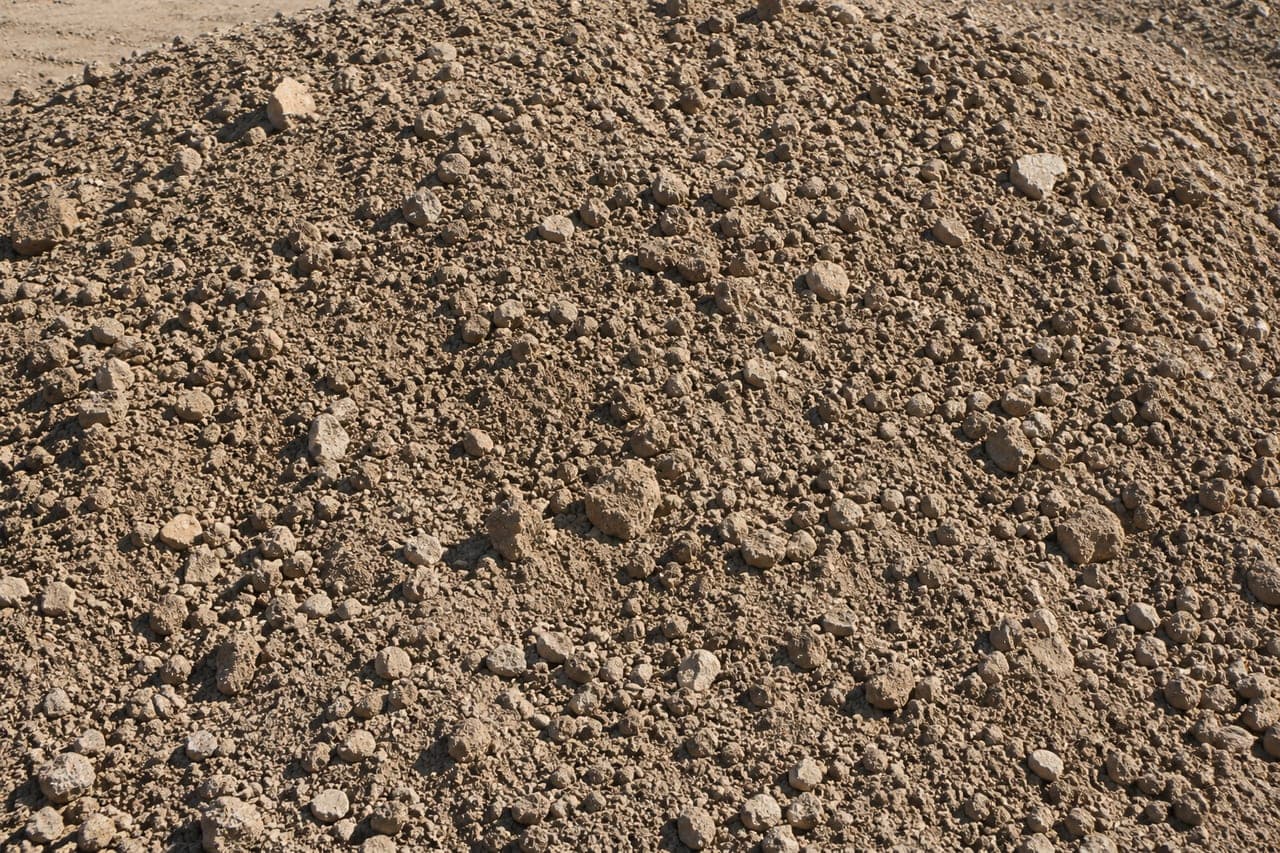
Lime Rock and Shell Rock: Florida Spec Guide
FDOT Section 911 vs 913 — the two materials that dominate Florida earthwork and where each one is the right call.

Cubic Yards Calculator
Length × width × depth, with unit conversion. The fastest way to size your order before you call.
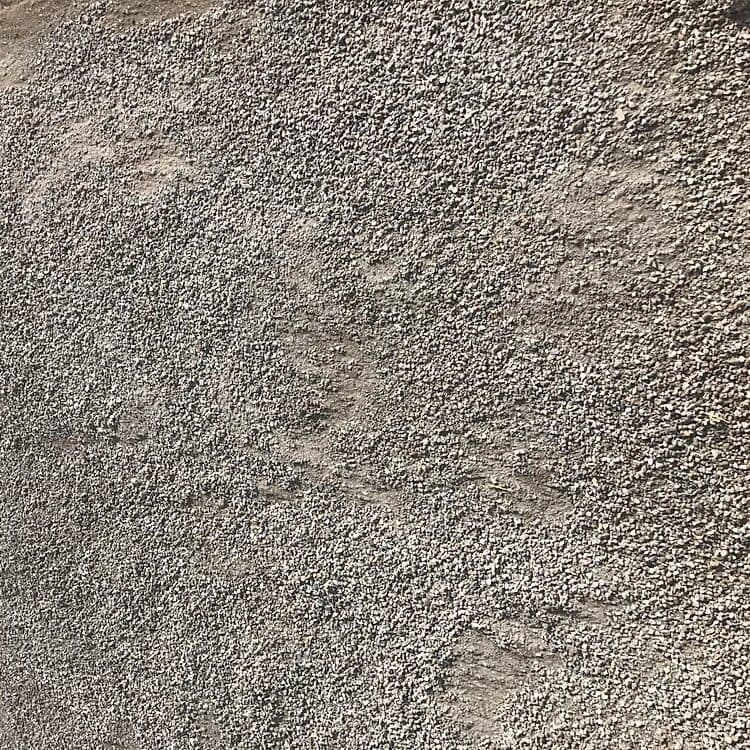
Tonnage Estimator by Material Density
Cubic yards to tons for every common aggregate, with the density coefficient explained.
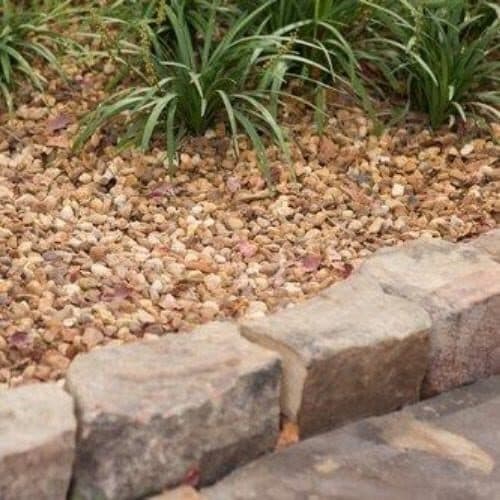
Driveway Gravel Cost Estimator
Real-time cost estimate based on your driveway size and ZIP code — pricing pulls from verified suppliers in your market.
Project guides, sent monthly.
Spec deep-dives, calculators, and practical aggregate know-how. No spam.